
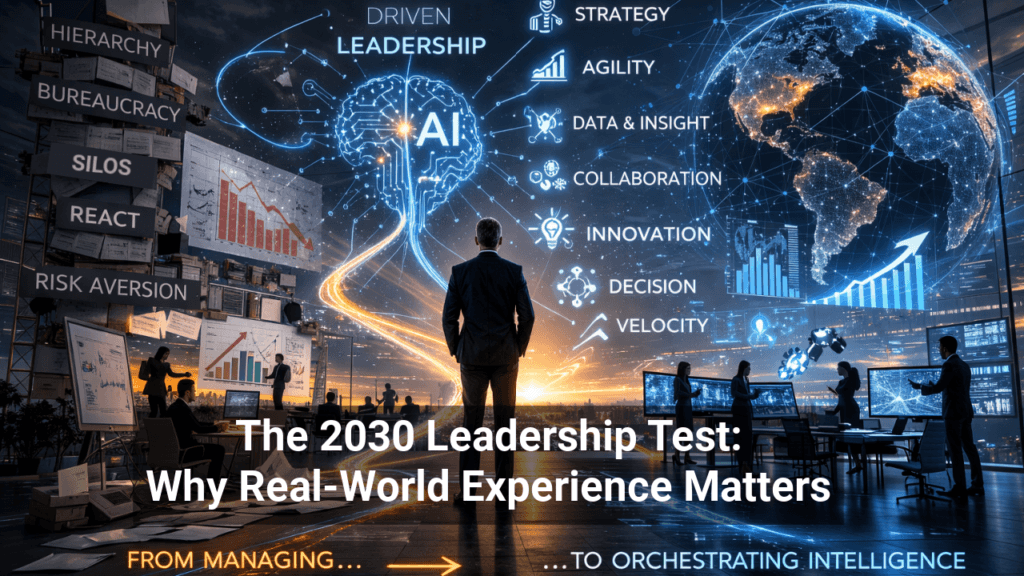
In just four short years, it will be 2030, and we will be on our way to a very different paradigm socially, economically, and technologically, even in how we view the issues related to the environment, law, and government. The 2030 leadership test – why real-world experience matters, will materialize as you endeavour to understand your role in the not-too-distant future.
This isn’t a real test; it is an examination of the issues and the kind of leadership needed to win in the marketplace. The path to 2030 will be painful, disruptive, and filled with both the expected and the unexpected. The question for executives is, are you ready for 2030? There is no way you can answer that question right now; no one can truthfully.
But you can prepare by examining the challenges ahead, and there will be many.
Preparing for the year 2030 isn’t just a date on the calendar for me; it represents a significant shift in how the world operates, behaves, and is organized. For business leaders, this time frame is crucial for preparedness, but the question remains for what?
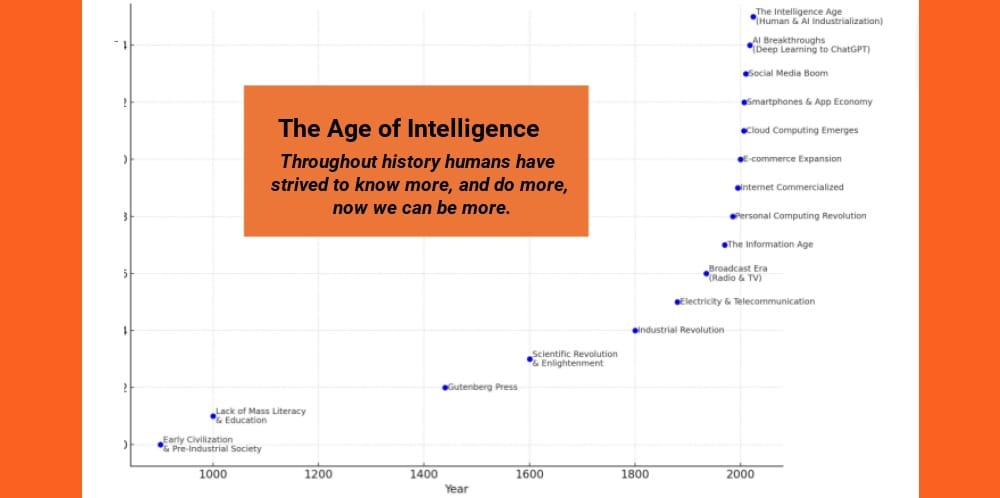
To understand the future, we have to understand the past and present simultaneously, but be aware, history does not repeat itself exactly, and as Mark Twain reminds us, it does tend to rhyme, which means similar, because there are patterns of human behaviours that don’t change. That means we make decisions on a somewhat predictable basis.
So the challenges ahead are like this: Affordability will remain a decade-long issue, from housing to grocery stores. Artificial Intelligence will proliferate within organizations, bringing about changes to the workplace, and the demand for greater organizational intelligence is inescapable if businesses want to remain competitive. The third is economics: the volatility in the world will not abate; if anything, it will feel unstable and dismantled, as countries will be in a continuous state of evolving trade management. The fourth is geopolitical conflicts; they are all around us, and disruptions will be common and concerning.
So, how do leaders prepare for this and for any reciprocal nuances that come with it? This will be the biggest leadership challenge everyone in business will face: the ability to respond to change not in due time but in real time.
Organizations from business to government will need to understand the current landscape and prepare by building a foundation to the future. But let’s not kid ourselves real world experienced leaders will win the day versus those with superficial experience. In other words real world leaders have or had accountability for organizations, their strategies, operations, and financial performance. By 2030 if you’re not nimble and responsive in the areas you serve the organization never will be. And it doesn’t matter what type of institution it is, public or private.
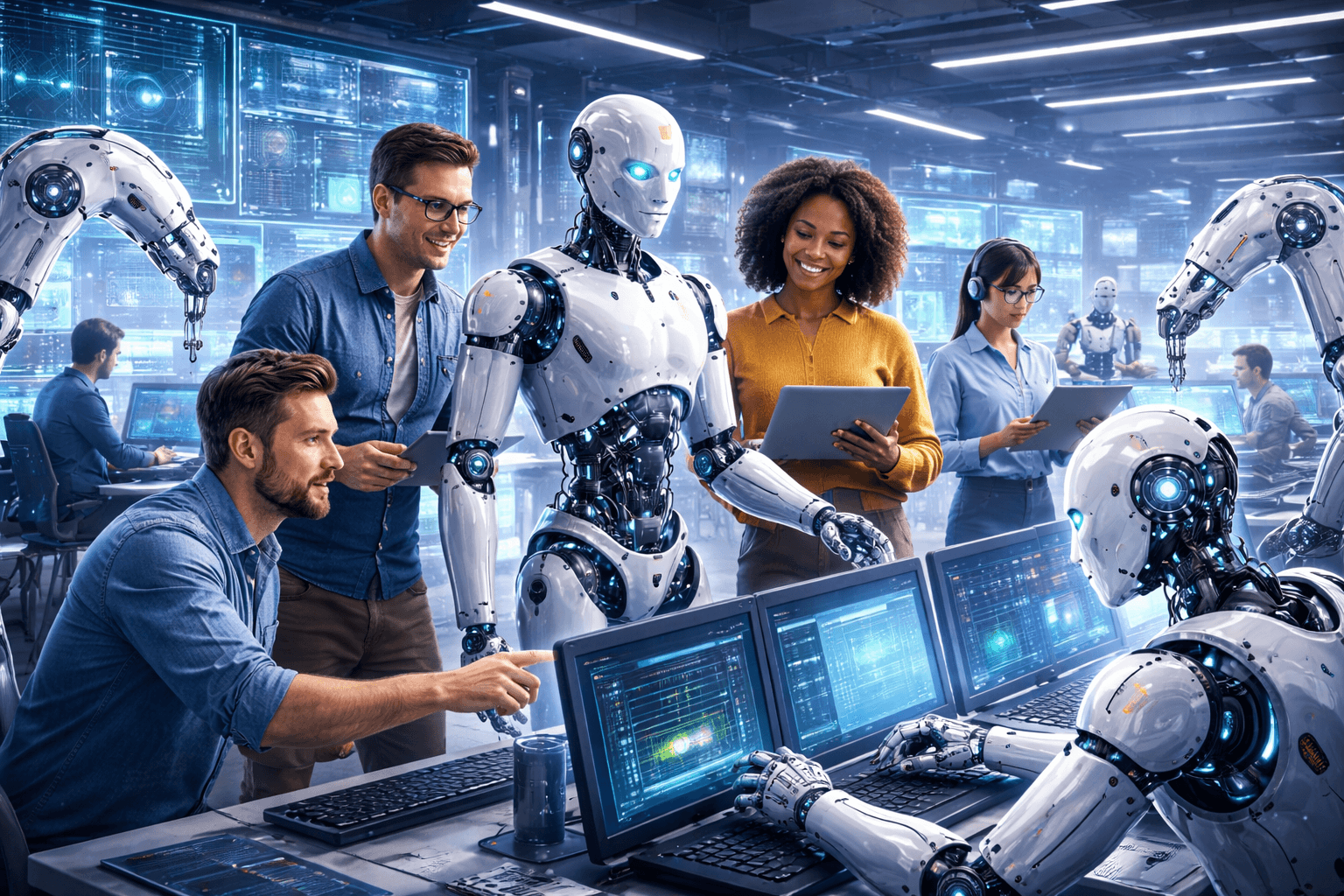
Leaders need to build and rethink their organizations into responsive, resilient and intelligent cultures. An organization that is unified with tapping into human capabilities and intelligence, with access to the right machine artificial intelligence capabilities, can super-enhance their human-created responses to the marketplace.
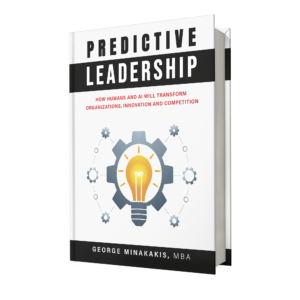
A Unified Intelligence Model: Explains how human judgment, machine intelligence, data, experience, and execution come together as one integrated capability. In my recent book Predictive Leadership I suggested that the future of organizations in every type of industry and institutions will be the industrialization of artificial intelligence into organizations so that they can be prepared to compete in 2030. In other words humans will have intelligence tools to work with and compete in real time. There will be no opportunity to get to a problem, the public’s expectations will be instant solutions and gratification. That is a very different world.
I have made it my life’s work to be ahead of the markets and competitors. All of my skills in leading organizations, from financial reporting, business development, and planning, writing up economic summaries about the markets and countries in which I was operating businesses, were very concise and forward-looking. As a leader, I was not interested in what happened yesterday; my view was that we found ways to solve those issues, and a leader must always move forward. As the future fast approaches, we will all face these new challenges. And executives need real-world experience, as I like to call it. In other words, they have led and understand how to behave, helping an organization remain resilient. I have found that customers, stakeholders, and employees like continuity and trusted leadership that can deliver results and has the experience to take them through change and tough times.
Leadership to me isn’t about bravado, drama, or grandstanding. That isn’t leadership; I call this good acting with no substance. And nor will this behaviour get you to 2030. Unfortunately, not everyone understands leadership as a concept. For some, if an individual can make a speech, be compassionate, and draw in the crowd, they are deemed to be leading. No, they are not; they are on stage and doing what they know best. Grab your attention. But in 99% of instances, I would not give some of these people the keys to my car or home, and with good reasons.
Given the current tide of technology, shifting economic challenges from trade to tariffs and geopolitical issues. Every organization needs leaders with real-world experience. I’ve seen organizations and institutions appoint, select, hire, and elect people with insufficient or no real-world experience, and what I always struggle with is why they don’t see their errors and how they can shorten the future of their organization.
How we view leadership today has become more about showmanship, and this shortsightedness will be a detriment to the future of everything. Leaders who have learned the hard way of running organizations will be in high demand even within government. It really is a time for change.
The 2030 Leadership Test – Why Real World Experience Matters, and we all need to prepare for the tsunami of change that only real-world executive experience can deal with.
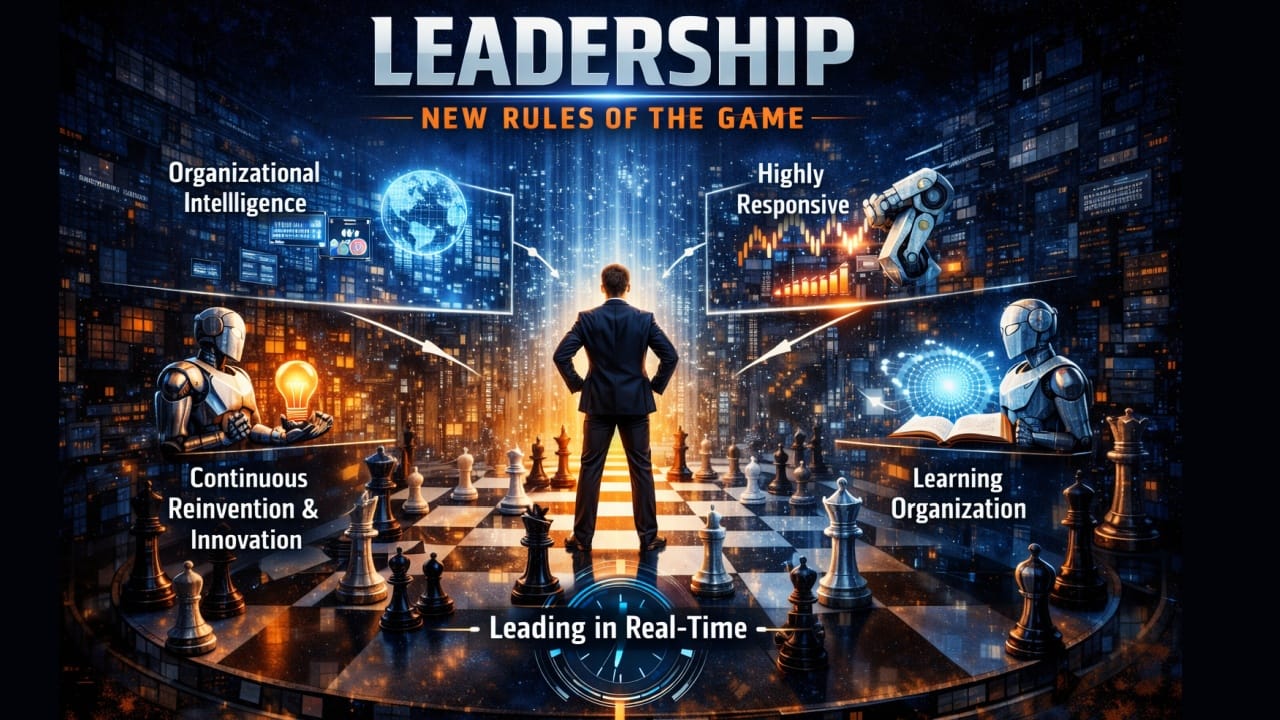
Also, read my last article: Leadership: New Rules of the Game
George Minakakis is a proven leader, having held senior roles ranging from VP to Country Manager to CEO at Fortune 500 companies. CEO of Inception Retail Group Inc. Served on for-profit and not-for-profit boards as a director and chair. Worked and served in industries from utilities, healthcare, food service, and retail. He’s the author of four books on leadership and AI. And is also a Municipal Councillor in the Town of Milton.

CEO | MBA | Author | Advisor | Speaker | Business Visionary
George Minakakis is a Thought Leader and Keynote Speaker. His experience leading, developing, and reviving global brands make him a sought-after Executive Advisor.